
Outdoor Spaces Built for Year-Round Use
Outdoor Kitchens in Safety Harbor for properties where coastal humidity, heat, and salt exposure demand materials that resist corrosion and structural movement
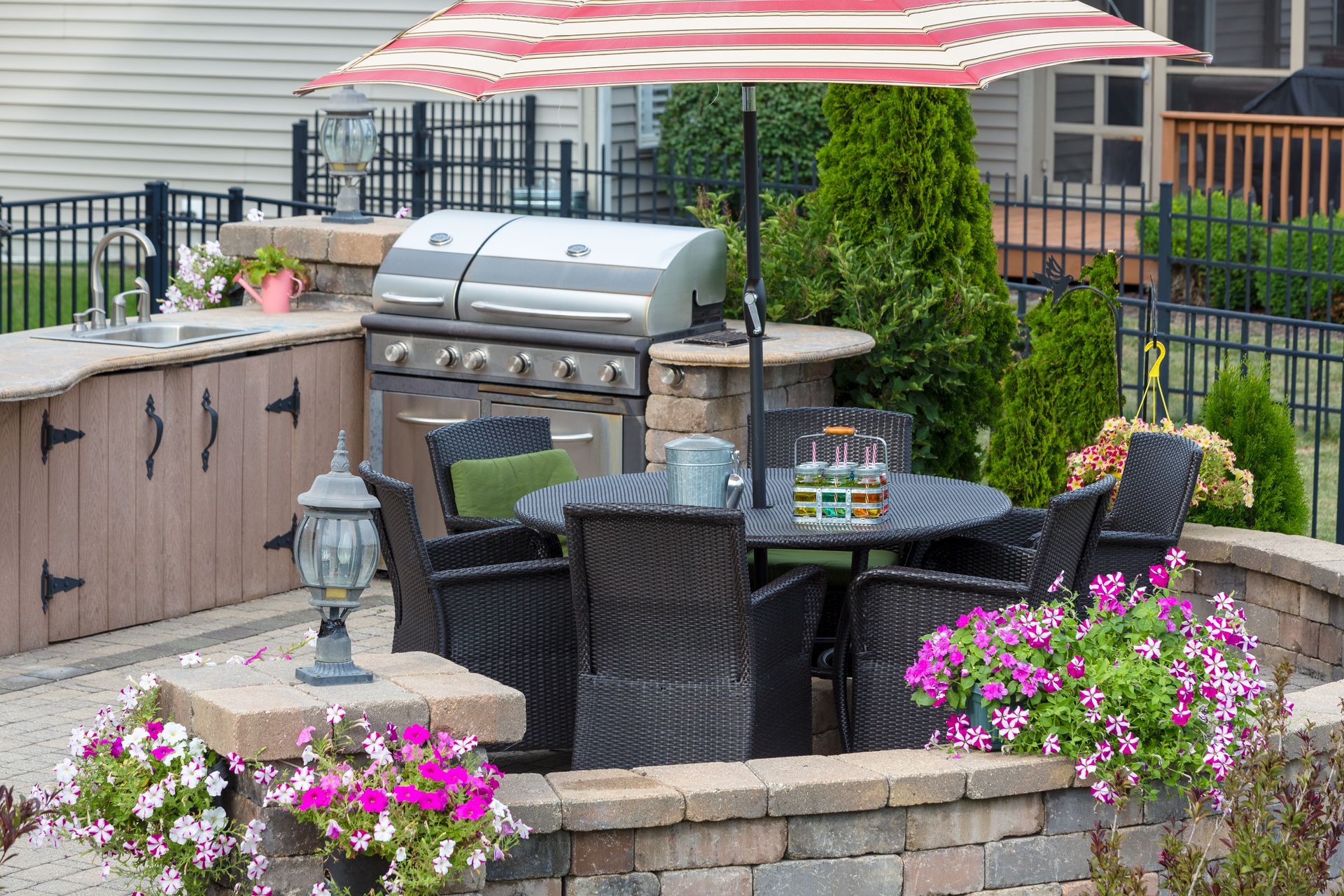
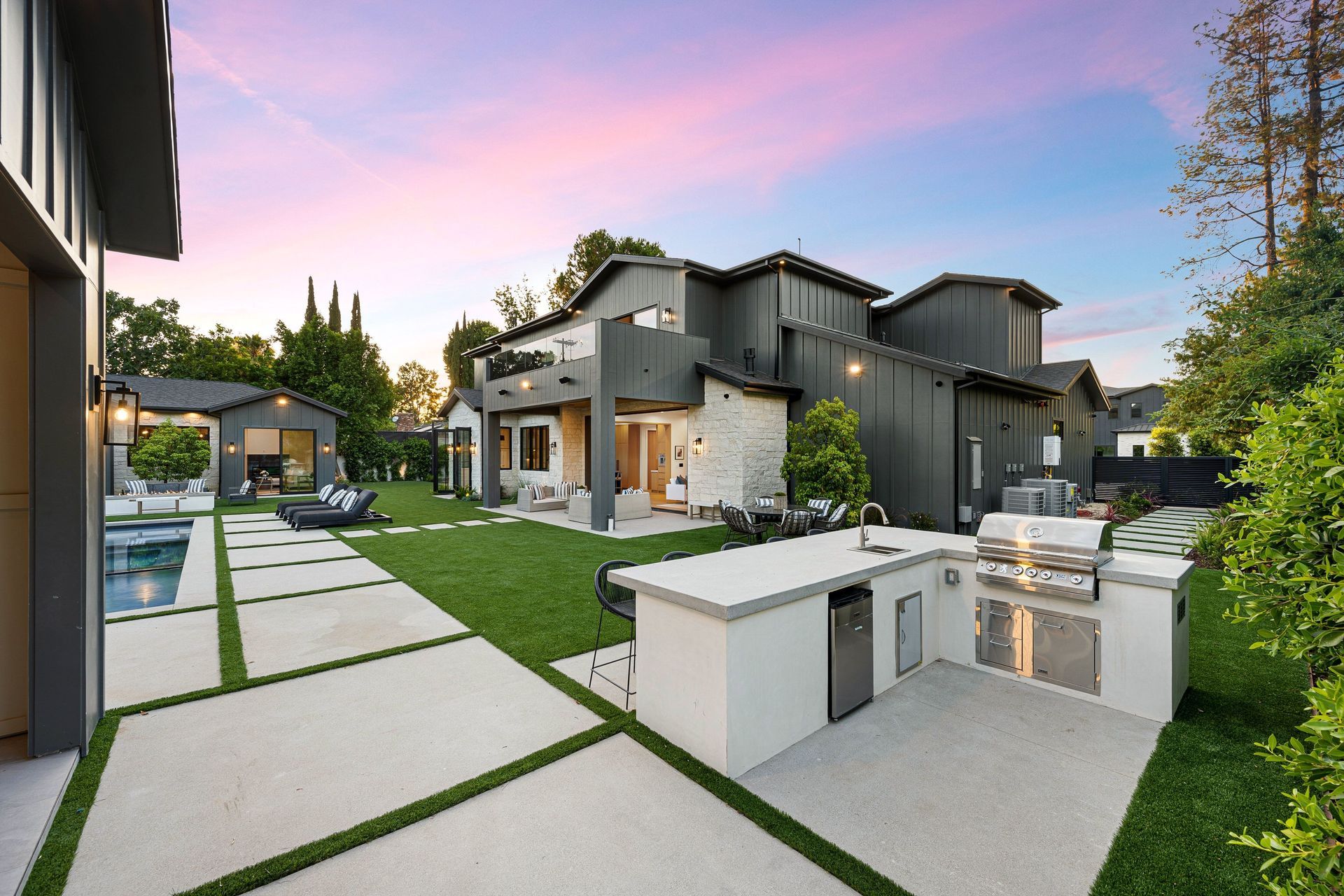
Intracoastal Foundations designs and builds custom outdoor kitchens throughout Safety Harbor and Clearwater, addressing the specific challenges of Florida's coastal climate where humidity, salt air, and heat degrade standard materials and cause structural failures. Outdoor kitchens in this region require proper foundation support to prevent settling and cracking, along with materials engineered to withstand constant moisture exposure and temperature fluctuations. Properties near the coast face accelerated wear on cabinetry, countertops, and integrated components when installations lack structural integrity or use materials not rated for marine environments.
The installation process includes evaluating the existing patio or deck surface to determine if additional foundation support is needed before built-in grills, countertops, cabinetry, lighting, and seating areas are installed. In coastal areas, foundations must account for sandy soils that shift under weight, requiring compaction and stabilization techniques that prevent the entire structure from settling unevenly over time. Design consultations balance the available outdoor space with functionality, ensuring appliances, work surfaces, and traffic flow align with how the space will actually be used for entertaining and daily cooking.
Schedule a design consultation to evaluate your property's foundation conditions and outdoor space layout.
Why Coastal Outdoor Kitchens Fail Without Proper Foundations
Outdoor kitchens installed without adequate foundation support experience visible cracking in countertops, misaligned cabinet doors, and gaps between built-in components as the structure settles into the underlying soil. Florida's combination of sandy substrates and seasonal ground saturation accelerates this movement, especially when heavy appliances like built-in grills and refrigeration units concentrate weight in specific areas. Materials selected for outdoor kitchens must resist not only moisture but also the expansion and contraction cycles caused by daily temperature swings and direct sun exposure, which degrade finishes and loosen fasteners over years of use.
Once the foundation is properly prepared and installations are completed with marine-grade materials, you notice countertops remain level, cabinet doors close evenly, and surfaces maintain their finish without warping, peeling, or corrosion. Integrated lighting functions reliably because wiring is protected from moisture intrusion, and seating areas stay stable without shifting or developing gaps at attachment points. Intracoastal Foundations incorporates experience with patios, pool decks, and backyard hardscapes to create outdoor kitchens that connect visually and structurally with the surrounding environment, avoiding the disjointed appearance that results when installations ignore existing grades and drainage patterns.
The installation includes coordinating utility connections for gas, water, and electrical service, along with establishing drainage pathways that prevent standing water near cabinetry and appliances. Not all outdoor kitchen projects require the same foundation approach—properties with existing concrete slabs may need surface repairs and leveling, while installations on new hardscape require full base preparation including gravel compaction and proper slope for runoff. Costs vary significantly based on whether the project involves expanding an existing patio, integrating with a pool deck, or building a standalone structure in the yard.
Questions Property Owners Ask Before Installation
Outdoor kitchens in Safety Harbor and Clearwater benefit from design decisions that account for Florida's intense afternoon sun, frequent rain, and proximity to saltwater, which together determine how materials perform over the years.
- What materials resist both humidity and salt exposure in coastal areas? Marine-grade stainless steel, sealed stone countertops, and polymer-based cabinetry outperform standard outdoor materials in preventing corrosion, moisture absorption, and finish degradation when properties sit within several miles of the Gulf.
- How does foundation preparation prevent cracking and settling? Compacting the base material, establishing proper drainage slope, and using reinforced concrete slabs distribute weight evenly and prevent differential settling that causes visible cracks in countertops and misalignment in built-in components.
- What installation steps ensure appliances function reliably long-term? Protecting gas lines from ground movement, routing electrical conduit above grade where possible, and sealing penetrations against moisture intrusion prevent service failures and safety issues that develop when utilities shift or corrode.
- When should outdoor kitchens be built relative to other backyard projects? Installing the outdoor kitchen after hardscaping and pool work are completed avoids damage from heavy equipment and allows the design to integrate with established drainage patterns and utility locations.
- What defines a well-designed outdoor kitchen layout for entertaining? Work triangle principles apply outdoors just as in interior kitchens—grill, prep surface, and refrigeration should be positioned within a few steps of each other, with seating areas adjacent but outside the primary cooking zone to keep guests comfortable and safe.
Intracoastal Foundations provides full-service outdoor kitchen installations that account for structural, environmental, and functional considerations specific to coastal Florida properties. Request a custom design and estimate to review material options and foundation requirements for your outdoor space.